
Öppettider
Postmuseum har stängt för renovering
och öppnar hösten 2024
Företagscenter och postboxar hittar du på Regeringsgatan 65
Webbshopen har alltid öppet
Mer posthistoria hittar du på Digitalt Museum och längre ner på vår sida.
Följ oss gärna på Facebook och Instagram
Aktuellt
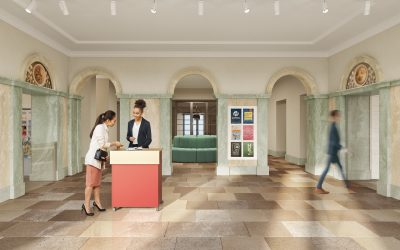
Lediga tjänster
Inför vår nyöppning i höst söker vi nu en ny kollega.
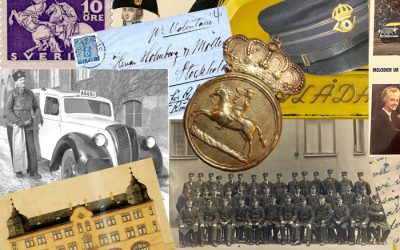
Posthistorisk tidslinje
Här hittar du en tidslinje över företagets långa historia från 1636 och framåt.
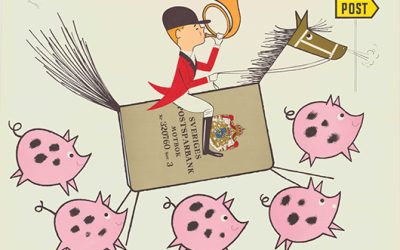
Vi har digitaliserat våra affischer.
I sommar ser du affischerna i våra sociala medier. Följ oss där!
Timmar av posthistoria hemifrån
Tillsammans med UR har vi spelat 8 program fulla med posthistoria!
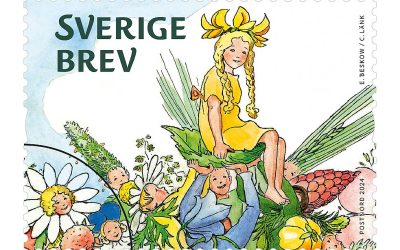
Nya frimärken 2024
Kalender | 11.1, 25.4, 29.8 & 7.11.
Årets utgivningsdatum
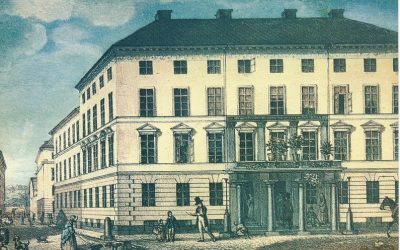
Penelope grundförstärks
Läs mer om arbetet med grundförstärkningen här.
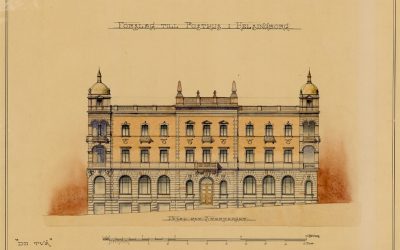
Digitala posthusritningar
Nu kan du se Postmuseums samling av ritningar av postfastigheter på DigitaltMuseum.
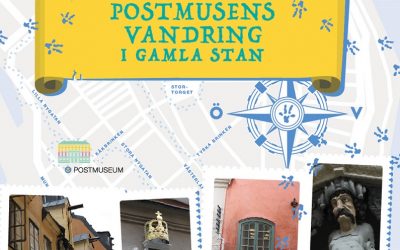
Postmusens vandring i Gamla stan
Följ kartan, leta efter detaljer och upptäck
Gamla stan tillsammans.
Digitala utställningar
och annat du kan ta del av hemifrån medan vi har stängt.
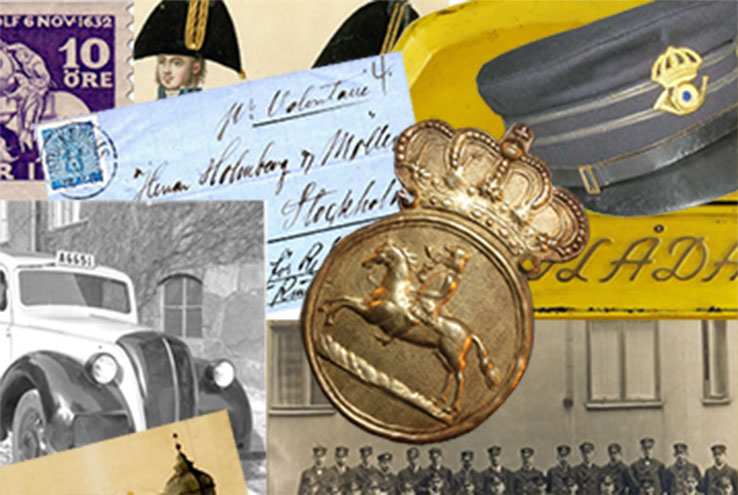
Posthistorisk tidslinje
Axel Oxenstierna grundade Postverket 1636. I vår posthistoriska tidslinje kan du följa med vad som hänt sedan dess fram till idag.
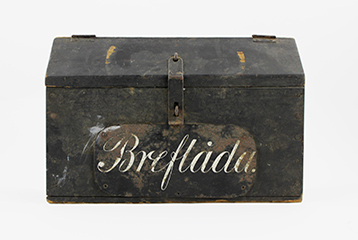
Våra brevlådor
För att skicka brev behöver du en brevlåda. Vi har mängder av brevlådor i våra samlingar. Gå in och titta på en del av dem här.
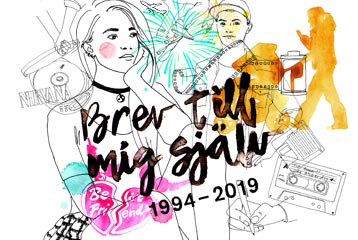
Brev till mig själv - en podd
1994 deltog 20 000 personer i projektet Skriv till dig själv – om 20 år. Lyssna på 13 tonåringars tankar om livet 1994 och deras vuxna jags svar till sig själva.
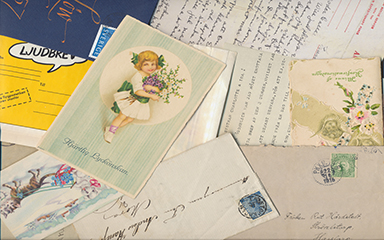
Minnen av brev
Just det brevet förändrade mitt liv. När jag hade läst brevet tog mitt liv en ny riktning. I våra samlingar finns berättelser om brev och paket. Några av dem kan du lyssna på här.
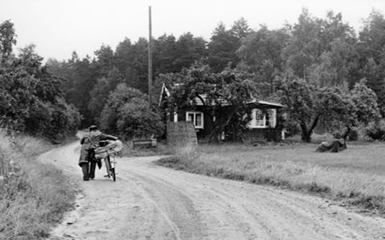
Nils Johansson - brevbärare & fotograf
Nils Johansson reste runt i Sverige och efterkrigstidens Europa och fotograferade sina kollegor i arbete och vila. I slutet av sitt liv skänkte han alla bilder med postala motiv till Postmuseum.
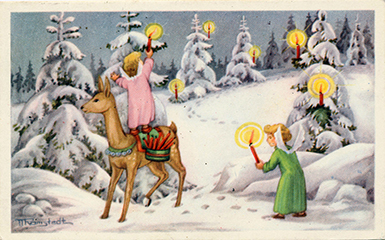
Julkort ur våra samlingar
Här kan du se ett urval av vår stora samling av julkort och lära dig lite mer om julkortets historia.
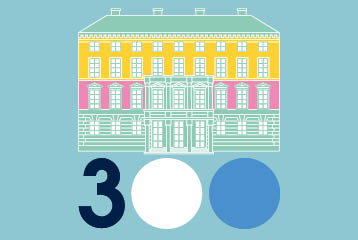
300 år
300 år! Så länge har vi funnits här i kvarteret. Gå in och ta del av husets historia.
Älskade postnummer
I utställningen Älskade postnummer berättade vi om hur och varför plats och postnummer är viktigt för hiphopkulturen. Utställningen är borta men du kan fortfarande se en del av Camilla Cherrys foton och läsa intervjuer med artisterna som var med här.
Våra utställningar

HEJ!
HEJ! vill väcka tankar kring vårt behov av att kommunicera; brevledes, digitalt eller kanske tyst genom kroppsspråket.
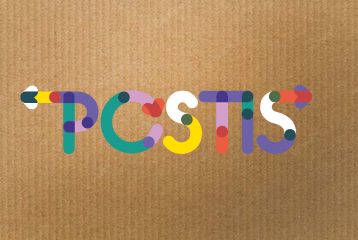
POSTIS
När vi öppnar igen öppnar också Postis, vår nya lekutställning för barn.

Skattkammaren
Se flera rariteter som vackra frankerade brev med våra första skillingbancofrimärken samt ett unikt kvartsark med 4 Skilling Banco.
På Postmuseum







Hitta till Postmuseum
Lilla Nygatan 6, Gamla Stan. Närmaste T-bana: Gamla Stan